

Trading the CME gap: why a filled gap is not a trading signal
November 6, 2026 · 0:43
Trading towards the CME gap feels safe. In our data price moved the same distance the other way just as often. Why that makes it noise, not an edge.
Home / Videos / Does the Bitcoin CME gap always get filled? 129 weekend gaps checked
Published on October 29, 2026 · Length 1:02 · Last updated: November 13, 2026
"The CME gap always gets filled." Almost every crypto trader has heard this sentence. In this video we check it with numbers instead of opinions.
Some background first. Bitcoin trades around the clock, but the Bitcoin futures at the CME, the large US futures exchange, pause over the weekend. When the futures open again on Monday, the price is often different from where they closed on Friday. On the chart this leaves an empty space, the gap. The popular belief is that price always comes back to close it, so many traders open positions towards the gap.
We looked at 129 Bitcoin weekend gaps since 2024. The first result seems to confirm the meme: 85 % of the gaps were filled within one week. At this point many people stop and call it free money.
But a fair test needs a comparison. So we took the same distance from the Monday price in the opposite direction, away from the gap, and asked how often price reached that level within a week. The answer: 86 % of the time. In other words, a move of that size happens in both directions about equally often. The gap is not a magnet. It is simply a distance Bitcoin usually covers within a week anyway.
That is the lesson of the video: a pattern can look perfect and still be pure noise. The number 85 % only means something when you compare it with what happens without the pattern. Many trading rules sound convincing because nobody checks the opposite case.
M Alpha Core is built around that kind of check. The scan searches the best settings of its built-in strategy for your market and then tests every setting on months it has never seen. If a setting fails there, it is dropped and not recommended. How this works is shown in backtesting on unseen data, and the methodology page lists the full process.
This is the full version of the study, with the setup and the comparison explained. A shorter video sums up the result in under a minute.
More on this topic: Backtest on data the search never saw.
The short version of this video asks what the result means for anyone who trades towards the gap. Watch the short version: Trading the CME gap: why a filled gap is not a trading signal
November 6, 2026 · 0:43
Trading towards the CME gap feels safe. In our data price moved the same distance the other way just as often. Why that makes it noise, not an edge.
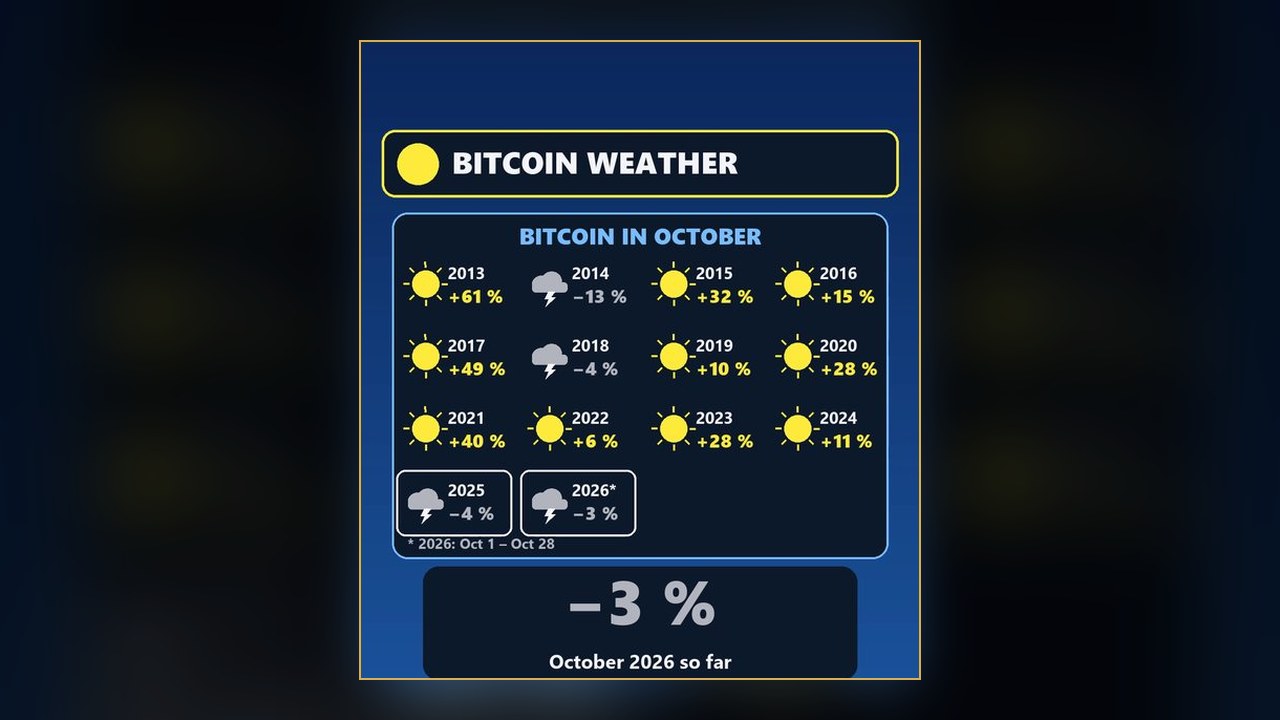
October 28, 2026 · 1:02
Is Uptober real? Bitcoin rose in 10 of 13 Octobers since 2013, but February did just as well. A check of Bitcoin seasonality before October 2026 ended.
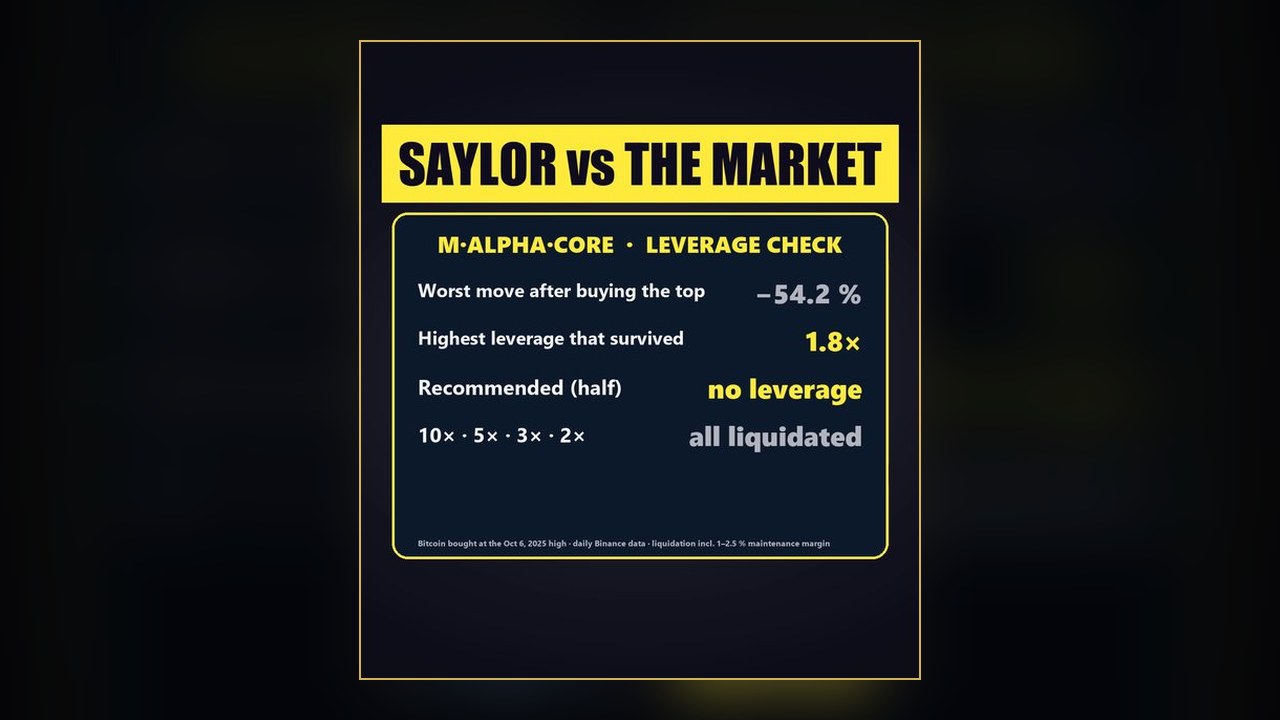
October 29, 2026 · 1:07
We bought the Bitcoin top of $126,200 on October 6, 2025. Without leverage you still hold it. With 10x and 5x you were gone in four days.
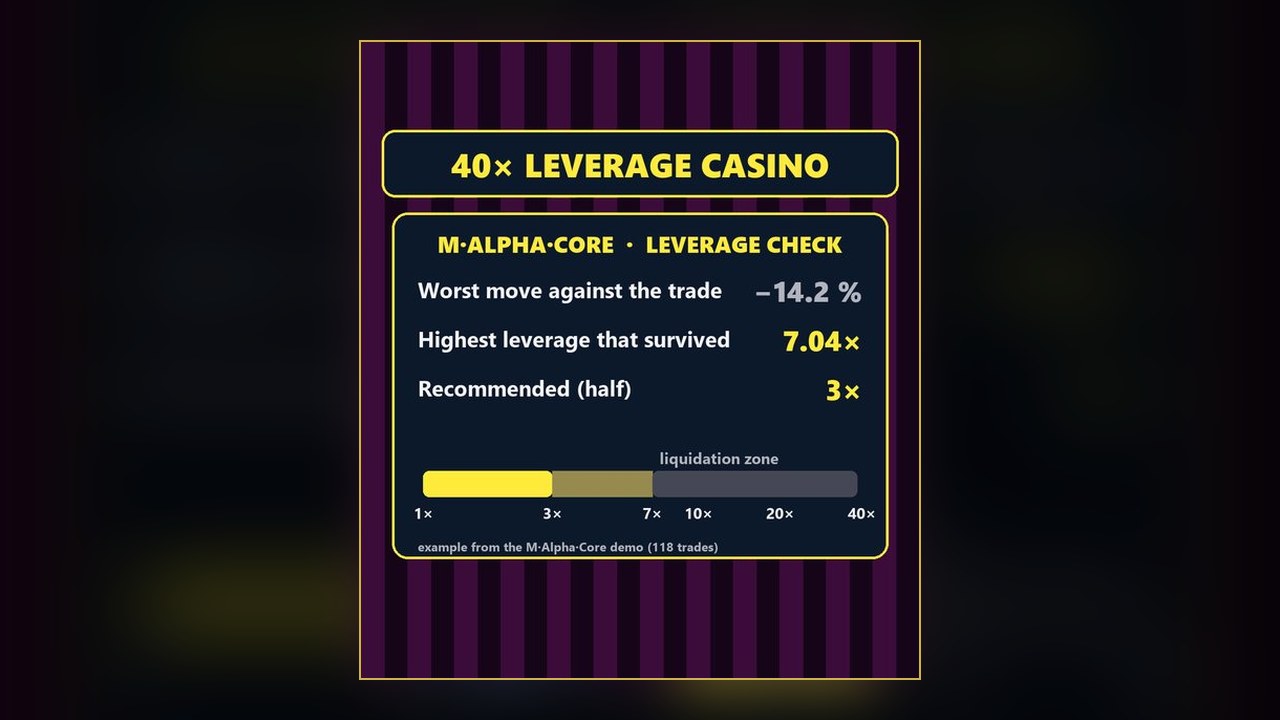
October 28, 2026 · 1:04
A full check of 40x leverage on Bitcoin: 50,000 hourly entries since 2021, long and short. In 30 % of them the margin was gone within 24 hours.
All figures come from backtests on past market data. No result is a promise of future profit. Trading, especially with leverage, involves high risk. M Alpha Core is a software tool, not investment advice.